Pages

Showing posts with label Paul Gauguin. Show all posts

Kunsthal Rotterdam Art Theft: Three defendants plead guilty. Radu Dogaru criticizes museum's security

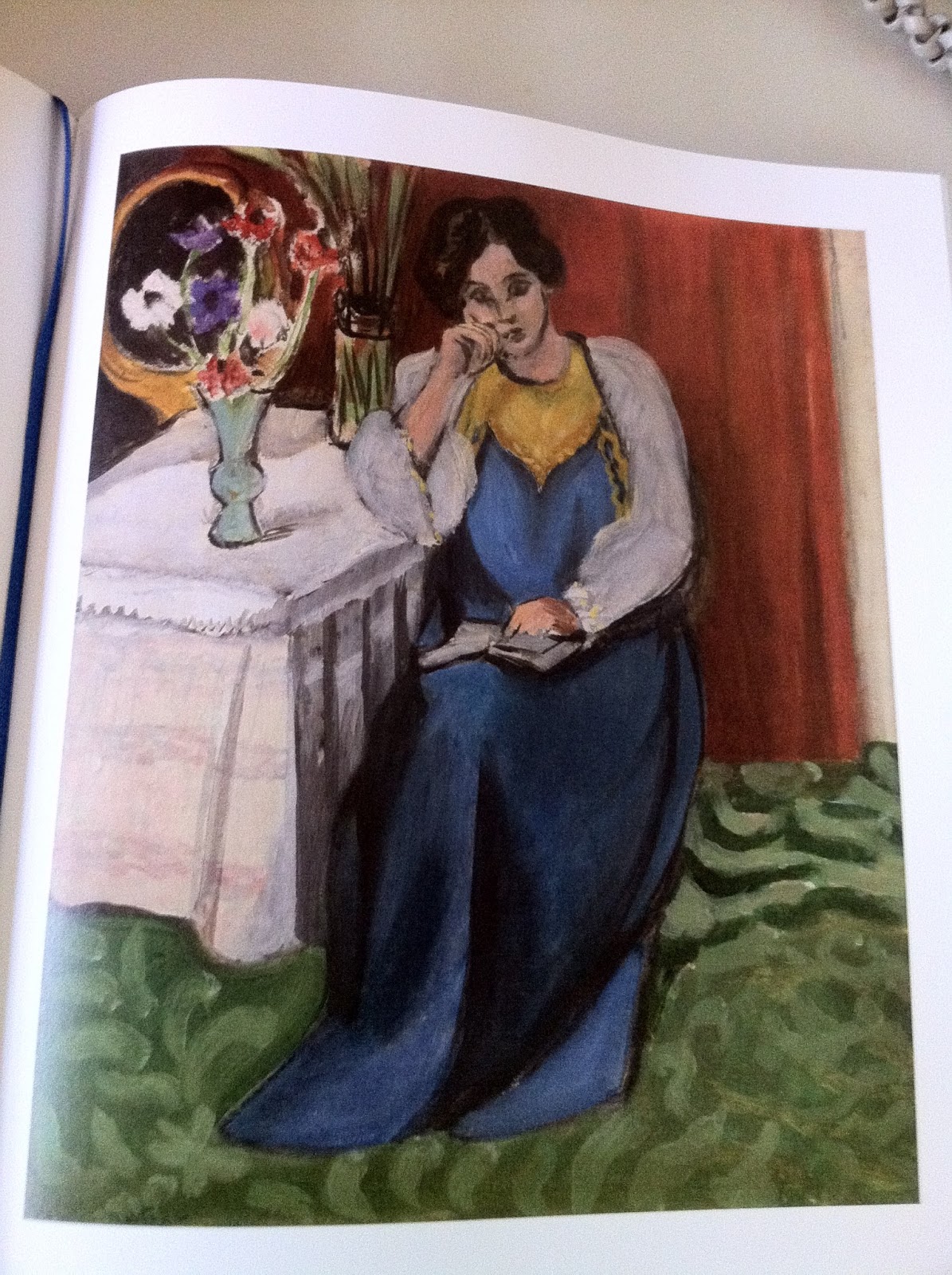
Radu Dogaru, Alexandru Bitu and Eugen Darie, pled guilty today in a Bucharest courtroom for their part in the October 16, 2012 theft of seven paintings (Monet's Waterloo Bridge, London and Charing Cross Bridge, London, Picasso's Tete d'Arlequin, Gauguin's Femme devant une fenêtre ouverte, Matisse's La Liseuse en Blanc et Jaune, De Haan's Autoportrait, and Lucian Freud's Woman with Eyes Closed) belonging to the Triton Foundation and on display at the Kunsthal Museum in Rotterdam.

In his deposition to prosecutors, primary suspect Radu Dogaru contradicted his mother's earlier confession to burning the paintings telling the court that his mother made these statements under pressure from long interrogation by the Romanian police.

Criticisms of security

Dogaru went on to add disparaging comments about the perceived level of security at the Rotterdam museum saying "At first I thought the paintings were fake, because it was so easy to get inside."   He went on to contrast the security at the Kunsthal with that of the Louvre adding "where they have real security".  In pleading guilty Dogaru told the court he gained entry to the museum by opening the door with a screwdriver, adding he could even have entered without any tools. 

In an even more brassy twist of events, Dogaru's attorney, Cătălin Dancu, stated that they are considering hiring Dutch lawyers to introduce an action in court citing negligent security at the Kunsthal as the mitigating circumstance that led to her client's role in the late night thefts.   In addition to blaming the gallery for her client's sticky fingers, Dancu spoke with reporters during a break from the court proceedings and stated that Dogaru had inside help in the heist.  

When asked by the judge whether he had inside help, Dogaru refused to reveal the alleged unnamed accomplice's identity.

Sources:
http://www.reporterntv.ro/flux/radu-dogaru-eugen-darie-si-alexandru-bitu-au-recunoscut-faptele-de-care-sunt-acuzati-in-dosarul-furtului-de-tablouri

http://nos.nl/artikel/565440-verdachten-kunstroof-dagen-rdam.html

Radu Dogaru, Alexandru Bitu and Eugen Darie, pled guilty today in a Bucharest courtroom for their part in the October 16, 2012 theft of seven paintings (Monet's Waterloo Bridge, London and Charing Cross Bridge, London, Picasso's Tete d'Arlequin, Gauguin's Femme devant une fenêtre ouverte, Matisse's La Liseuse en Blanc et Jaune, De Haan's Autoportrait, and Lucian Freud's Woman with Eyes Closed) belonging to the Triton Foundation and on display at the Kunsthal Museum in Rotterdam.

In his deposition to prosecutors, primary suspect Radu Dogaru contradicted his mother's earlier confession to burning the paintings telling the court that his mother made these statements under pressure from long interrogation by the Romanian police.

Criticisms of security

Dogaru went on to add disparaging comments about the perceived level of security at the Rotterdam museum saying "At first I thought the paintings were fake, because it was so easy to get inside."   He went on to contrast the security at the Kunsthal with that of the Louvre adding "where they have real security".  In pleading guilty Dogaru told the court he gained entry to the museum by opening the door with a screwdriver, adding he could even have entered without any tools. 

In an even more brassy twist of events, Dogaru's attorney, Cătălin Dancu, stated that they are considering hiring Dutch lawyers to introduce an action in court citing negligent security at the Kunsthal as the mitigating circumstance that led to her client's role in the late night thefts.   In addition to blaming the gallery for her client's sticky fingers, Dancu spoke with reporters during a break from the court proceedings and stated that Dogaru had inside help in the heist.  

When asked by the judge whether he had inside help, Dogaru refused to reveal the alleged unnamed accomplice's identity.

Sources:
http://www.reporterntv.ro/flux/radu-dogaru-eugen-darie-si-alexandru-bitu-au-recunoscut-faptele-de-care-sunt-acuzati-in-dosarul-furtului-de-tablouri

http://nos.nl/artikel/565440-verdachten-kunstroof-dagen-rdam.html

reade more... Résuméabuiyad

Kunsthal Rotterdam Art Heist: Looking at the Paintings Stolen from the Triton Foundation (Provenance Information Added)

Lucian Freud, Woman with Eyes Closed
by Catherine Sezgin, ARCA Blog Editor

The seven paintings stolen from the Kunsthal Rotterdam on October 16 remain missing. On January 21, Romanian police arrested three men in connection with the gallery heist. March 4, Dutch police arrested a Romanian woman believed to be an accomplice. On March 13, a German man who arrested for blackmail after an alleged attempt to sell the Triton stolen paintings back to the foundation. The mother of one of the defendants arrested for the theft has claimed that she destroyed two of the paintings.

Last December Yale University published Avant-Gardes 1870 to the Present: The Collection of the Triton Foundation which offers more information on the stolen paintings stolen from the Triton Foundation. This catalogue is written by Sjraar van Heugten, former head of collections at the Van Gogh Museum, Amsterdam, and an independent art historian. Here the catalogue's information on the stolen paintings:

Lucian Freud: Woman with Eyes Closed (2002), oil on canvas, 30.5 x 25.4 cm. Provenance: Triton Foundation, acquired from the artists, 2002.


Paul Gauguin, La Fiancée 
Paul Gauguin, Woman Before a Window, 'The Fiancée, 1888, an oil on canvas. annotated in the lower right in red paint (damaged) La Fiancée; signed and dated lower right beneath annotation in black paint P Go 88, 33.8 x 41 cm. Provenance: Private collection, England; Kunsthandel (art dealer) Franz Buffa, Amsterdam; collection Allan and Nancy Miller, Solebury, Pennsylvania, 1949; auction Galerie Charpentier, Paris, 17 June 1960, no. 87 (unsold); auction Sotheby's, London, 4 July 1962, no. 75 (unsold); auction Christie's, Tokyo, 27 May 1969, no. 302; collection Samuel Josefowitz, Lausanne, circa 1981; auction Drouot-Montaigne, Paris, 3 April 1990, no. 58; Triton Foundation, 1997.


Matisse's Reading Woman
Matisse's Reading Woman in White and Yellow, 1919 was painted in the South of France in the suburb of Cimiez. The 31 x 33 cm work is "oil on canvas mounted on board" and "signed lower left Henri Matisse". Comment: Certificate of authenticity by Wanda de Guébriant, 12 Mar. 1996. Provenance: Galerie Bernheim-Jeune, Paris, acquired from the artists on 23 June 1919, no. 21624; Bernheim-Jeune Frères, acquired on 20 May 1931; collection Josse and Gaston Bernheim-Jeune, 1931; Bignou Gallery, New York; private collection, New York, 1947; collection Dr. Peter Nathan, Zurich, 1953; collection Emil G. Bührle, Zurich, acquired from the above on 8 December 1953; Foundation Emil G. Bührle Collection, since 1960; Triton Foundation, 1999.

Jacob Meyer De Haan, Self-Portrait

Jacob Meyer De Haan (Amsterdam 1852 - Amsterdam 1895), Self-Portrait against Japonist Background, circa 1889-1891, oil on canvas, 32.4 x 24.5 cm. Provenance: Collection Marie Henry, Le Pouldu; collection Ida Cochennec, daughter of the artists and Marie Henry; auction Cochennec Collection, Hôtel Drouot, Paris, 24 June 1959, no. 77; Marlborough Fine Art Ltd, London; collection Mr. and Mrs Arthur G. Altschul, New York, acquired in July 1961; Triton Foundation, 2002 (on long-term loan to the Van Gogh Museum, Amsterdam, 2002-2004).

Sideways view of Monet's Waterloo Bridge
Claude Monet: Waterloo Bridge, London (1901), pastel on brown laid paper, signed lower right Claude Monet, 30.5 x 48.0 cm. Provenance: Collection Werner Herold, Switzerland, circa 1917; private collection, USA, 1970; Triton Foundation, 1998.

Another sideway's view: Monet's
Charing Cross Bridge, London
Claude Monet's Charing Cross Bridge, London, 1901, pastel on brown gray laid paper, annotated and signed lower right à J. Massé/au jeune chasseur/d'Afrique Claude Monet, 31.0 x 48.5 cm. Provenance: Collection J. Massè, gift from the artist; auction Hôtel des Ventes, Enghien-Les-Bains, 24 Nov. 1985, no. 39; auction Hôtel des Ventes, Enghien-Les-Bains, 18 Mar. 1989, no. 6; private collection, Triton Foundation, 1998.

Picasso's Head of a Harlequin
Painted the year before the artist's death, Picasso's Head of a Harlequin (1971) is in "pen and brush in black ink, colored pencil and pastel on thick brown wove paper" (38 x 29 cm) and is "signed and dated in the lower right Picasso/12.1./71. Provenance: Galerie Louise Leiris, Paris; private collection, Europe; Michelle Rosenfeld Gallery, New York; private collection, USA; Finartis Kunsthandels AG, Zug; private collection, USA, 2004; Triton Foundation, 2009.
Lucian Freud, Woman with Eyes Closed
by Catherine Sezgin, ARCA Blog Editor

The seven paintings stolen from the Kunsthal Rotterdam on October 16 remain missing. On January 21, Romanian police arrested three men in connection with the gallery heist. March 4, Dutch police arrested a Romanian woman believed to be an accomplice. On March 13, a German man who arrested for blackmail after an alleged attempt to sell the Triton stolen paintings back to the foundation. The mother of one of the defendants arrested for the theft has claimed that she destroyed two of the paintings.

Last December Yale University published Avant-Gardes 1870 to the Present: The Collection of the Triton Foundation which offers more information on the stolen paintings stolen from the Triton Foundation. This catalogue is written by Sjraar van Heugten, former head of collections at the Van Gogh Museum, Amsterdam, and an independent art historian. Here the catalogue's information on the stolen paintings:

Lucian Freud: Woman with Eyes Closed (2002), oil on canvas, 30.5 x 25.4 cm. Provenance: Triton Foundation, acquired from the artists, 2002.


Paul Gauguin, La Fiancée 
Paul Gauguin, Woman Before a Window, 'The Fiancée, 1888, an oil on canvas. annotated in the lower right in red paint (damaged) La Fiancée; signed and dated lower right beneath annotation in black paint P Go 88, 33.8 x 41 cm. Provenance: Private collection, England; Kunsthandel (art dealer) Franz Buffa, Amsterdam; collection Allan and Nancy Miller, Solebury, Pennsylvania, 1949; auction Galerie Charpentier, Paris, 17 June 1960, no. 87 (unsold); auction Sotheby's, London, 4 July 1962, no. 75 (unsold); auction Christie's, Tokyo, 27 May 1969, no. 302; collection Samuel Josefowitz, Lausanne, circa 1981; auction Drouot-Montaigne, Paris, 3 April 1990, no. 58; Triton Foundation, 1997.


Matisse's Reading Woman
Matisse's Reading Woman in White and Yellow, 1919 was painted in the South of France in the suburb of Cimiez. The 31 x 33 cm work is "oil on canvas mounted on board" and "signed lower left Henri Matisse". Comment: Certificate of authenticity by Wanda de Guébriant, 12 Mar. 1996. Provenance: Galerie Bernheim-Jeune, Paris, acquired from the artists on 23 June 1919, no. 21624; Bernheim-Jeune Frères, acquired on 20 May 1931; collection Josse and Gaston Bernheim-Jeune, 1931; Bignou Gallery, New York; private collection, New York, 1947; collection Dr. Peter Nathan, Zurich, 1953; collection Emil G. Bührle, Zurich, acquired from the above on 8 December 1953; Foundation Emil G. Bührle Collection, since 1960; Triton Foundation, 1999.

Jacob Meyer De Haan, Self-Portrait

Jacob Meyer De Haan (Amsterdam 1852 - Amsterdam 1895), Self-Portrait against Japonist Background, circa 1889-1891, oil on canvas, 32.4 x 24.5 cm. Provenance: Collection Marie Henry, Le Pouldu; collection Ida Cochennec, daughter of the artists and Marie Henry; auction Cochennec Collection, Hôtel Drouot, Paris, 24 June 1959, no. 77; Marlborough Fine Art Ltd, London; collection Mr. and Mrs Arthur G. Altschul, New York, acquired in July 1961; Triton Foundation, 2002 (on long-term loan to the Van Gogh Museum, Amsterdam, 2002-2004).

Sideways view of Monet's Waterloo Bridge
Claude Monet: Waterloo Bridge, London (1901), pastel on brown laid paper, signed lower right Claude Monet, 30.5 x 48.0 cm. Provenance: Collection Werner Herold, Switzerland, circa 1917; private collection, USA, 1970; Triton Foundation, 1998.

Another sideway's view: Monet's
Charing Cross Bridge, London
Claude Monet's Charing Cross Bridge, London, 1901, pastel on brown gray laid paper, annotated and signed lower right à J. Massé/au jeune chasseur/d'Afrique Claude Monet, 31.0 x 48.5 cm. Provenance: Collection J. Massè, gift from the artist; auction Hôtel des Ventes, Enghien-Les-Bains, 24 Nov. 1985, no. 39; auction Hôtel des Ventes, Enghien-Les-Bains, 18 Mar. 1989, no. 6; private collection, Triton Foundation, 1998.

Picasso's Head of a Harlequin
Painted the year before the artist's death, Picasso's Head of a Harlequin (1971) is in "pen and brush in black ink, colored pencil and pastel on thick brown wove paper" (38 x 29 cm) and is "signed and dated in the lower right Picasso/12.1./71. Provenance: Galerie Louise Leiris, Paris; private collection, Europe; Michelle Rosenfeld Gallery, New York; private collection, USA; Finartis Kunsthandels AG, Zug; private collection, USA, 2004; Triton Foundation, 2009.
reade more... Résuméabuiyad

Kunsthal Rotterdam Art Theft: Journalist Colin Gleadell on "overvaluation" of the seven stolen paintings

by Catherine Sezgin, ARCA Blog

So much has been written about the October 16 theft of seven paintings from the Triton Foundation on display at the Kunsthal Rotterdam that it takes a long time to sift through so much of the published material to find original information on the internet.  However, Colin Gleadell writing for Britain's Telegraph grabbed my attention with the headline "Stone Dutch works wildly overvalued".

Last week ARCA's CEO Lynda Albertson wrote about the Triton Foundation here on this blog, finding that the collection assembled in the last two decades had been infrequently exhibited, had no website and had its first big show of 150 of the works this month at the Kunsthal Rotterdam ("Avant-Gardes").

This December, Yale University Press is publishing "Avant-Gardes, 1870-1970, The Triton Collection" ($125, cloth) , a 568-page book by Sjraar van Heugten, an independent art historian and a former Head of Collections at the Van Gogh Museum in Amsterdam (about 60 kilometers north of Rotterdam).  The Triton Foundation's collection contains approximately 250 paintings, drawings, and sculptures from more than 170 Western artists dating from 1870 to 1970  including George Braques, Paul Cézanne, Edgar Degas, Willem de Kooning, Lucien Freud, Roy Lichtenstein, Édouard Manet, Henri Matisse, Claude Monet, Pablo Picasso, Vincent van Gogh and Andy Warhol ("Avante-Gardes").

The statement attributed to the director of the Kunsthal Rotterdam Emily Ansenk posted on the art gallery's website identifies the stolen paintings adding that the investigation will be handled by the police.  As to the seven stolen paintings, Ansenk states: "Perhaps we should add that all stolen works have been internationally registered and described and are therefore unsaleable.  We are not prepared to comment on the value of the works."

Historically, published accounts of art thefts have attached a value to the paintings which thieves have used as a basis for a ransom demand.

However, Gleadell, who has written extensively on the art market, assesses the value of the seven stolen paintings between "£12.5 million and £16 million" based on experts familiar with the collection who wished to remain anonymous:  
Some pictures that were thought to be oil paintings were in fact much less valuable pastels or drawings on paper, and none of the stolen pictures measured more than 13in by 16in – handy enough for the thieves to tuck under their arms. Monet’s oil paintings of the Thames, made when he stayed at the Savoy Hotel in 1901, have fetched as much as £18 million at auction. But the two stolen Monets were small pastels the likes of which have never sold for more than £250,000 at auction.
The Picasso, a late work, was also a small coloured drawing on paper, not an oil painting.
Picasso’s large, late oil paintings have made £10 million at auction, hence a guesstimate by Forbes of £9.7 million. But late drawings of this size have never sold for over a million pounds, though the quality of this one may lift it to seven figures.
The International Herald Tribune came up with a punchy $130 million figure for the Picasso and Matisse alone, and while the Matisse was indeed an oil painting – larger, more sumptuous interiors of seated or reclining women have made £10 million or more – the small scale of this work and less seductive pose of the sitter led our experts to place a value of between £3 million and £4 million on it. 
Similarly, the Gauguin is an early painting from 1888, so is of historical interest, but would not command anything like the sums generated by his sought-after Tahitian pictures. Our experts granted it a £3 million to £4 million estimate. 
The self-portrait by the lesser-known Dutch painter Jacob Meyer de Haan is more difficult because so few of his works have been sold at auction and none for more than £600,000. A friend of Gauguin’s, he painted this when the two were in Brittany in the late 1880s. And while it is stylistically related to the Frenchman’s work of the time, it is a small masterpiece by de Haan; thus a figure of £2 million has been suggested. 
The only contemporary work to be stolen was a portrait of the young journalist Emily Bearn by Lucian Freud, painted in 2002. Although Freud’s late work tends to be less sought after, this is a remarkably tender portrait and has been included in several museum exhibitions. Our experts estimate that it should be worth about £3 million. 

by Catherine Sezgin, ARCA Blog

So much has been written about the October 16 theft of seven paintings from the Triton Foundation on display at the Kunsthal Rotterdam that it takes a long time to sift through so much of the published material to find original information on the internet.  However, Colin Gleadell writing for Britain's Telegraph grabbed my attention with the headline "Stone Dutch works wildly overvalued".

Last week ARCA's CEO Lynda Albertson wrote about the Triton Foundation here on this blog, finding that the collection assembled in the last two decades had been infrequently exhibited, had no website and had its first big show of 150 of the works this month at the Kunsthal Rotterdam ("Avant-Gardes").

This December, Yale University Press is publishing "Avant-Gardes, 1870-1970, The Triton Collection" ($125, cloth) , a 568-page book by Sjraar van Heugten, an independent art historian and a former Head of Collections at the Van Gogh Museum in Amsterdam (about 60 kilometers north of Rotterdam).  The Triton Foundation's collection contains approximately 250 paintings, drawings, and sculptures from more than 170 Western artists dating from 1870 to 1970  including George Braques, Paul Cézanne, Edgar Degas, Willem de Kooning, Lucien Freud, Roy Lichtenstein, Édouard Manet, Henri Matisse, Claude Monet, Pablo Picasso, Vincent van Gogh and Andy Warhol ("Avante-Gardes").

The statement attributed to the director of the Kunsthal Rotterdam Emily Ansenk posted on the art gallery's website identifies the stolen paintings adding that the investigation will be handled by the police.  As to the seven stolen paintings, Ansenk states: "Perhaps we should add that all stolen works have been internationally registered and described and are therefore unsaleable.  We are not prepared to comment on the value of the works."

Historically, published accounts of art thefts have attached a value to the paintings which thieves have used as a basis for a ransom demand.

However, Gleadell, who has written extensively on the art market, assesses the value of the seven stolen paintings between "£12.5 million and £16 million" based on experts familiar with the collection who wished to remain anonymous:  
Some pictures that were thought to be oil paintings were in fact much less valuable pastels or drawings on paper, and none of the stolen pictures measured more than 13in by 16in – handy enough for the thieves to tuck under their arms. Monet’s oil paintings of the Thames, made when he stayed at the Savoy Hotel in 1901, have fetched as much as £18 million at auction. But the two stolen Monets were small pastels the likes of which have never sold for more than £250,000 at auction.
The Picasso, a late work, was also a small coloured drawing on paper, not an oil painting.
Picasso’s large, late oil paintings have made £10 million at auction, hence a guesstimate by Forbes of £9.7 million. But late drawings of this size have never sold for over a million pounds, though the quality of this one may lift it to seven figures.
The International Herald Tribune came up with a punchy $130 million figure for the Picasso and Matisse alone, and while the Matisse was indeed an oil painting – larger, more sumptuous interiors of seated or reclining women have made £10 million or more – the small scale of this work and less seductive pose of the sitter led our experts to place a value of between £3 million and £4 million on it. 
Similarly, the Gauguin is an early painting from 1888, so is of historical interest, but would not command anything like the sums generated by his sought-after Tahitian pictures. Our experts granted it a £3 million to £4 million estimate. 
The self-portrait by the lesser-known Dutch painter Jacob Meyer de Haan is more difficult because so few of his works have been sold at auction and none for more than £600,000. A friend of Gauguin’s, he painted this when the two were in Brittany in the late 1880s. And while it is stylistically related to the Frenchman’s work of the time, it is a small masterpiece by de Haan; thus a figure of £2 million has been suggested. 
The only contemporary work to be stolen was a portrait of the young journalist Emily Bearn by Lucian Freud, painted in 2002. Although Freud’s late work tends to be less sought after, this is a remarkably tender portrait and has been included in several museum exhibitions. Our experts estimate that it should be worth about £3 million. 

reade more... Résuméabuiyad

Rotterdam Art Heist: What is the Triton Foundation?

Book cover for a volume Yale Press
 is publishing this December
by Lynda Albertson, ARCA CEO

The Triton Collection was built over twenty years by Rotterdam oil and shipping magnate Willem Cordia and his wife Marijke van der Laan.  The collection includes approximately 250 paintings, drawings and pieces of sculpture.  The core of the collection consists of Western art dating from 1870 to 1970 and is reputed to be one of the 200 most important private collections in the world.

An entrepreneur and investor, Willem Cordia served as an officer with the Holland-America Line and later became a strategic investment developer and port magnate in Rotterdam.  His wife’s family was well known in the Dutch shipping world, making their fortune in the worldwide transport of dry bulk cargo like ore, coal and grain.  At the time of his death, Cordia's wealth was estimated at  € 330 million.

The Triton Collection was bequeathed to the Dutch Foundation Triton at the time of Cordia’s death.  Starting with the goal of making the collection and new acquisitions more accessible to the general public, the foundation’s overseers have loaned works from the collection to museums and temporary exhibitions.  Artworks from the collection have been loaned to international art museums such as the Thyssen-Bornemisza Museum in Madrid, the Seoul Museum of Art and locally within the Netherlands to the Van Gogh Museum as well as the Hague Municipal Museum.

The Triton Collection focuses on innovators in modern art and includes artworks by Bonnard, Braque, Cézanne, De Kooning, Dufy, Fontana, Freud, Giacometti, Kelly, Klein, Manzoni, Modigliani, Mondrian, Monet, Picabia, Picasso, Stella, Uecker, Van Dongen, Van Gogh, and Vuillard.

From 2006 to 2011, Peter van Beveren served as curator of the Triton Foundation.  The Collection is now curated by Marlies Cordia-Roeloffs, daughter of Willem Cordia and his wife Marijke van der Laan.  The exhibit on loan to the Kunsthal Rotterdam from 7 October 2012 to 20 January 2013 included more than 150 artworks selected from over 100 different artists from the vanguard, the avant-garde of western art history.  Many of the works were on display for the first time publicly.

Between the evening of the 15th and the morning of the 16th of October 2012, the following seven paintings were stolen from the exhibition:

•           Pablo Picasso : Tête d'Arlequin (1971)
•           Henri Matisse : La Liseuse and Blanc et Jaune (1919)
•           Claude Monet : Waterloo Bridge, London (1901)
•           Claude Monet: Charing Cross Bridge, London (1901)
•           Paul Gauguin : Femme devant une fenêtre ouverte, dite la Fiancée (1888)
•           Meijer de Haan : Autoportrait (circa 1889-1891)
•           Lucian Freud : Woman with Eyes Closed (2002)

Book cover for a volume Yale Press
 is publishing this December
by Lynda Albertson, ARCA CEO

The Triton Collection was built over twenty years by Rotterdam oil and shipping magnate Willem Cordia and his wife Marijke van der Laan.  The collection includes approximately 250 paintings, drawings and pieces of sculpture.  The core of the collection consists of Western art dating from 1870 to 1970 and is reputed to be one of the 200 most important private collections in the world.

An entrepreneur and investor, Willem Cordia served as an officer with the Holland-America Line and later became a strategic investment developer and port magnate in Rotterdam.  His wife’s family was well known in the Dutch shipping world, making their fortune in the worldwide transport of dry bulk cargo like ore, coal and grain.  At the time of his death, Cordia's wealth was estimated at  € 330 million.

The Triton Collection was bequeathed to the Dutch Foundation Triton at the time of Cordia’s death.  Starting with the goal of making the collection and new acquisitions more accessible to the general public, the foundation’s overseers have loaned works from the collection to museums and temporary exhibitions.  Artworks from the collection have been loaned to international art museums such as the Thyssen-Bornemisza Museum in Madrid, the Seoul Museum of Art and locally within the Netherlands to the Van Gogh Museum as well as the Hague Municipal Museum.

The Triton Collection focuses on innovators in modern art and includes artworks by Bonnard, Braque, Cézanne, De Kooning, Dufy, Fontana, Freud, Giacometti, Kelly, Klein, Manzoni, Modigliani, Mondrian, Monet, Picabia, Picasso, Stella, Uecker, Van Dongen, Van Gogh, and Vuillard.

From 2006 to 2011, Peter van Beveren served as curator of the Triton Foundation.  The Collection is now curated by Marlies Cordia-Roeloffs, daughter of Willem Cordia and his wife Marijke van der Laan.  The exhibit on loan to the Kunsthal Rotterdam from 7 October 2012 to 20 January 2013 included more than 150 artworks selected from over 100 different artists from the vanguard, the avant-garde of western art history.  Many of the works were on display for the first time publicly.

Between the evening of the 15th and the morning of the 16th of October 2012, the following seven paintings were stolen from the exhibition:

•           Pablo Picasso : Tête d'Arlequin (1971)
•           Henri Matisse : La Liseuse and Blanc et Jaune (1919)
•           Claude Monet : Waterloo Bridge, London (1901)
•           Claude Monet: Charing Cross Bridge, London (1901)
•           Paul Gauguin : Femme devant une fenêtre ouverte, dite la Fiancée (1888)
•           Meijer de Haan : Autoportrait (circa 1889-1891)
•           Lucian Freud : Woman with Eyes Closed (2002)

reade more... Résuméabuiyad

Rotterdam Art Heist: The Day After

by Catherine Sezgin, ARCA Blog Editor-in-Chief

Questions remain the day after seven stolen paintings estimated to be worth "tens of millions" remain missing from the Kunsthal art gallery when yesterday morning the 20-year-old building's "state of the art" security system alerted private security, then the Rotterdam police, that the contemporary art space had been robbed.  A Picasso, two Monets, a Gauguin, a Matissee -- five of the paintings were attributed to artists favored by thieves for their fame and perceived value -- plus another by Lucien Freud (famous contemporary artist) and Meijer de Haan (1852-1895), whose name may not be as recognizable but the Dutch artist's paintings are in the Musée d'Orsay in Paris and the Norton Simon Museum in Pasadena (Meyer de Haan painted with Gauguin in Brittany).

Here are links to CBS News (video and text) on the heist and speculation as to whether or not it was an inside job because, as discussed by Chris Marinello of The Art Loss Register, the theft "just went too smoothly".   In the later segment, CBS News correspondent John Miller, a former FBI deputy director, describes art thieves not as sophisticated urbanites (see Pierce Brosnan in The Thomas Crown Affair) but "knuckleheads" who put a lot of time into taking the paintings but will either seek assistance in selling the paintings that usually involves undercover agents, or will try to ransom the paintings back to the insurance company, or will keep the paintings for years as a 'get out of jail card'.

The question after an art heist is more overwhelmingly not who took the paintings but when or if they will ever be recovered.  Listing the stolen paintings into the database of The Art Loss Register, with the media, and other law enforcement agencies is meant to stop the sale of the works through legitimate art dealers and auction houses.

In Kate Connolly's piece yesterday in The Guardian ("Rotterdam art thieves take valuable paintings in dawn heist"), "security experts speculated that the thieves might have taken advantage of Rotterdam's port -- one of the largest in the world -- to swiftly move the paintings abroad" and that the paintings could have been "stolen to order" or held for ransom.

According to the Associated Press (published online here with the Winnipeg Free Press), Dutch police are following up on "15 tips from the public", "studying video surveillance images", and have "focused their attention on a rear door that thieves most likely used to get into the gallery before snatching the paintings."

Here DutchNews.nl reports that the Kunsthal reopened Wednesday and replaced the spaces formerly occupied by the stolen paintings with works from the Triton Foundation (and notes that journalists outnumbered visitors inside the museum).
by Catherine Sezgin, ARCA Blog Editor-in-Chief

Questions remain the day after seven stolen paintings estimated to be worth "tens of millions" remain missing from the Kunsthal art gallery when yesterday morning the 20-year-old building's "state of the art" security system alerted private security, then the Rotterdam police, that the contemporary art space had been robbed.  A Picasso, two Monets, a Gauguin, a Matissee -- five of the paintings were attributed to artists favored by thieves for their fame and perceived value -- plus another by Lucien Freud (famous contemporary artist) and Meijer de Haan (1852-1895), whose name may not be as recognizable but the Dutch artist's paintings are in the Musée d'Orsay in Paris and the Norton Simon Museum in Pasadena (Meyer de Haan painted with Gauguin in Brittany).

Here are links to CBS News (video and text) on the heist and speculation as to whether or not it was an inside job because, as discussed by Chris Marinello of The Art Loss Register, the theft "just went too smoothly".   In the later segment, CBS News correspondent John Miller, a former FBI deputy director, describes art thieves not as sophisticated urbanites (see Pierce Brosnan in The Thomas Crown Affair) but "knuckleheads" who put a lot of time into taking the paintings but will either seek assistance in selling the paintings that usually involves undercover agents, or will try to ransom the paintings back to the insurance company, or will keep the paintings for years as a 'get out of jail card'.

The question after an art heist is more overwhelmingly not who took the paintings but when or if they will ever be recovered.  Listing the stolen paintings into the database of The Art Loss Register, with the media, and other law enforcement agencies is meant to stop the sale of the works through legitimate art dealers and auction houses.

In Kate Connolly's piece yesterday in The Guardian ("Rotterdam art thieves take valuable paintings in dawn heist"), "security experts speculated that the thieves might have taken advantage of Rotterdam's port -- one of the largest in the world -- to swiftly move the paintings abroad" and that the paintings could have been "stolen to order" or held for ransom.

According to the Associated Press (published online here with the Winnipeg Free Press), Dutch police are following up on "15 tips from the public", "studying video surveillance images", and have "focused their attention on a rear door that thieves most likely used to get into the gallery before snatching the paintings."

Here DutchNews.nl reports that the Kunsthal reopened Wednesday and replaced the spaces formerly occupied by the stolen paintings with works from the Triton Foundation (and notes that journalists outnumbered visitors inside the museum).
reade more... Résuméabuiyad